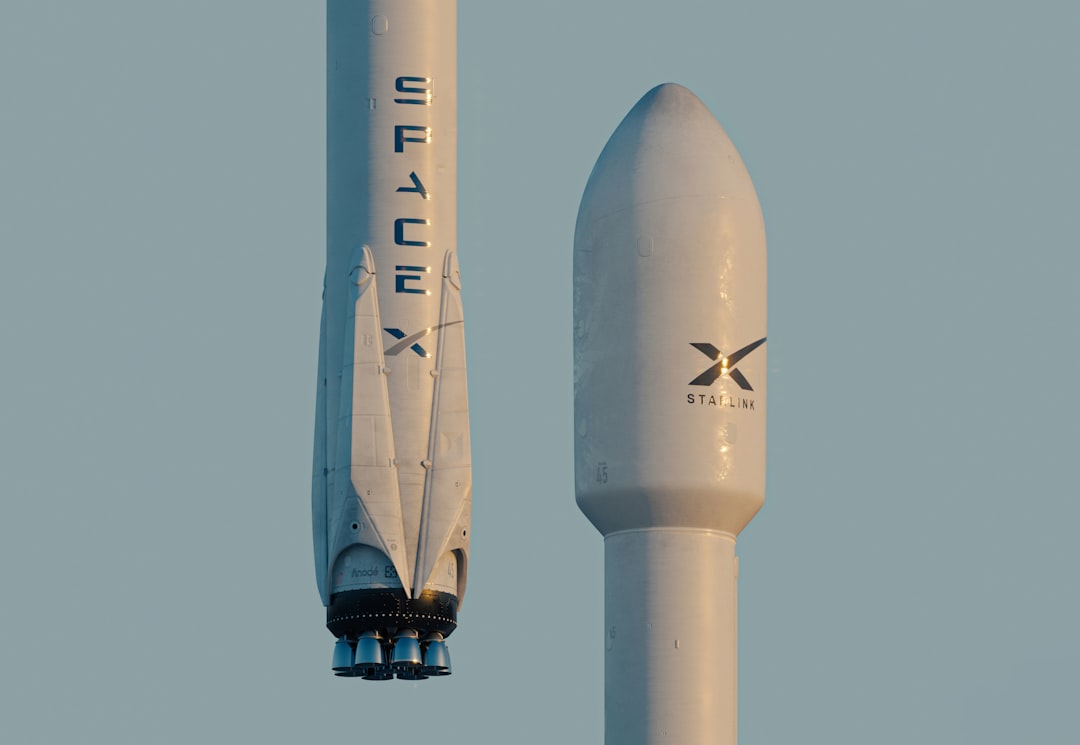
On July 24, 2026, SpaceX launched its Starship rocket, the most powerful ever built, on a critical 13th test flight that exceeded expectations. The mission, lifting off from Starbase in Texas at 6:51 p.m. EDT (2251 GMT), lasted just over an hour and ended with a stunning surprise: the Ship upper stage gently splashed down in the Indian Ocean, tipping over to float belly-up on the sea. SpaceX CEO Elon Musk posted on X: 'Starship is intact, floating in the ocean and transmitting telemetry!'
Super Heavy Booster struggled but the mission pressed on
After stage separation, the Super Heavy Booster returned to Earth but ignited only 5 of the 13 planned engines during the landing burn, hitting the Gulf of Mexico harder than intended. Despite this, the flight continued successfully. SpaceX spokesperson Dan Huot commented that it was not the softest landing for the booster, but the Ship performed perfectly.
Sponsored Protocol
Deployed next-generation Starlink satellites for the first time
During its suborbital trajectory, the Ship deployed 20 Starlink Version 3 satellites, flat-panel spacecraft with laser links and large solar arrays. These satellites are designed to replace the current Starlink constellation and were ejected through a slit-like payload bay door. While they reentered and burned up as planned, the test validated the deployment mechanism.
Successful engine relight and heat shield data collection
A key milestone was the relight of a single Raptor engine in space, essential for future orbital operations. The spacecraft then reentered the atmosphere, sheathed in superhot plasma, and executed a vertical landing burn before tipping over in the ocean. The vehicle remained intact, with its engines, flaps, and heat shield visible on camera, providing invaluable data. Huot called it the 'softest splashdown' ever for Starship.
Sponsored Protocol
A stepping stone toward the Moon and Mars
SpaceX is developing Starship as a fully reusable system to land NASA astronauts on the Moon under Artemis IV in 2028 and to eventually reach Mars. Over the next two years, the company must demonstrate orbital refueling, catch the booster with the Mechazilla tower, and complete a crewed lander. Flight 13's success, occurring on the 57th anniversary of Apollo 11's return, is a major leap. For insights on how digital infrastructure investment underpins such ambitious projects, see the related article on organ preservation. More details on the Starship program are on Wikipedia.